par onchop.co.uk | Juil 22, 2026 | Motivation for success
Le problème n’est pas votre motivation, c’est votre accès à l’information
Vous avez déjà essayé. Un blog par-ci, une formation à 27€ par-là, peut-être même une tentative de dropshipping qui s’est essoufflée après trois semaines. Ce n’est pas un manque de volonté. Le vrai obstacle, pour la grande majorité des entrepreneurs qui se lancent sur le web, c’est qu’ils passent plus de temps à chercher l’information qu’à l’appliquer. Digital Marketing Elite : la ressource qui met fin à la chasse
Le marketing digital change vite. Un algorithme se met à jour, une plateforme change ses règles, une technique de copywriting qui fonctionnait il y a six mois devient inefficace. Résultat : on accumule des dizaines d’onglets ouverts, des vidéos YouTube contradictoires, et on finit par ne rien appliquer du tout, par manque de clarté.
C’est exactement ce vide que Digital Marketing Elite a été conçu pour combler.
Qu’est-ce que Digital Marketing Elite, concrètement ?
Digital Marketing Elite est un espace membre qui centralise des stratégies, astuces et techniques de marketing digital, actualisé chaque semaine. L’idée derrière le concept est simple : au lieu de partir soi-même en quête d’informations éparpillées sur internet, on accède à une base déjà triée, organisée et mise à jour.
Le service a été créé par Sylvain Milon, entrepreneur depuis 2001 et fondateur de la plateforme d’affiliation 1TPE, qui a accompagné la distribution de centaines de milliers de produits numériques francophones. Ce n’est pas un nouveau venu qui découvre le sujet : c’est quelqu’un qui a construit une infrastructure d’affiliation utilisée par des milliers d’infopreneurs depuis plus de vingt ans.
Son constat, après des années sur le terrain : la plupart des porteurs de projet en ligne n’échouent pas par manque de travail, mais parce qu’ils s’accrochent trop longtemps à des méthodes dépassées, faute de savoir ce qui fonctionne réellement à l’instant T.
Ce que vous trouvez à l’intérieur
Concrètement, l’abonnement à Digital Marketing Elite donne accès à :
- 588 stratégies et astuces déjà archivées, consultables immédiatement dès l’inscription
- 2 nouvelles stratégies chaque lundi, soit environ 8 ajouts mensuels, couvrant email marketing, copywriting, réseaux sociaux, marketing viral, cold mailing et web marketing
- Des prompts ChatGPT prêts à l’emploi, pensés pour générer du contenu ou bâtir des stratégies directement exploitables
- L’accès à l’historique complet des publications passées, pas seulement aux nouveautés
- Une plateforme unique, sans avoir à jongler entre dix sources différentes pour reconstituer un plan d’action
L’intérêt principal n’est pas seulement le volume de contenu, mais sa fraîcheur. Une stratégie de marketing digital a une durée de vie courte : ce qui convertissait il y a un an peut être devenu inefficace aujourd’hui. Le format « mise à jour hebdomadaire » répond directement à ce problème d’obsolescence, plutôt que de proposer une formation figée qu’on suit une fois puis qu’on oublie.
Pour qui est réellement pensé cet outil ?
Digital Marketing Elite s’adresse à trois profils en particulier :
Les débutants qui se sentent perdus. Pas besoin de bagage technique ni de diplôme en marketing : les stratégies sont présentées de façon directement applicable, sans jargon excessif.
Les entrepreneurs déjà actifs qui manquent de temps. Si vous gérez déjà un business, un blog, une chaîne ou une boutique en ligne, le gain n’est pas d’apprendre depuis zéro, mais de gagner le temps que vous passeriez à chercher ce qui marche aujourd’hui.
Les créateurs de contenu et affiliés qui ont besoin d’un flux constant de nouvelles idées et de nouveaux angles pour rester pertinents face à une audience qui se lasse vite du contenu répétitif.
En revanche, si vous cherchez une formation linéaire type « étape 1, étape 2, étape 3 » avec un accompagnement individuel poussé, ce format de base de connaissances évolutive n’est probablement pas ce qu’il vous faut : c’est avant tout un outil de veille et d’application rapide, pas un coaching personnalisé.
Le tarif de lancement et ce qu’il inclut
L’accès à Digital Marketing Elite est actuellement proposé à 14€ HT par mois (16,80€ TTC), contre un tarif affiché à 47€ une fois la période de lancement terminée. Ce prix couvre l’accès complet à la base de stratégies existante, aux mises à jour hebdomadaires, et aux prompts ChatGPT associés.
À titre de comparaison, une formation classique en marketing digital coûte généralement plusieurs centaines d’euros pour un contenu figé, sans mise à jour après l’achat. Ici, la logique est différente : un abonnement mensuel modeste, mais un contenu qui continue d’évoluer tant que vous restez membre.
Une garantie qui limite le risque
L’offre est accompagnée d’une garantie satisfait ou remboursé de 30 jours. Vous pouvez tester la plateforme pendant un mois complet et, si le contenu ne correspond pas à vos attentes, résilier simplement par email, sans justification à fournir. C’est un point important à vérifier avant tout engagement financier récurrent, et c’est ici clairement énoncé.
Ce qui différencie Digital Marketing Elite des formations classiques
La majorité des produits d’infopreneuriat fonctionnent sur un modèle « achat unique » : vous payez, vous recevez un contenu figé, et six mois plus tard, une partie de ce que vous avez appris est déjà dépassée. Digital Marketing Elite renverse cette logique avec un modèle d’abonnement à contenu vivant.
Cela dit, il faut être honnête sur les limites du format : un abonnement mensuel implique un engagement récurrent, et la valeur perçue dépendra de votre régularité à consulter et appliquer les nouvelles stratégies chaque semaine. Un outil d’information, aussi bon soit-il, ne remplace jamais l’exécution. Si vous vous abonnez sans jamais mettre en pratique ce que vous y trouvez, le résultat sera nécessairement limité.
Foire aux questions
À quelle fréquence le contenu est-il mis à jour ? Chaque lundi, avec deux nouvelles stratégies testées, soit environ huit ajouts par mois.
Ai-je accès aux contenus publiés avant mon inscription ? Oui, l’intégralité des 588 stratégies déjà archivées est accessible dès votre inscription, en plus des futures publications.
Faut-il déjà avoir de l’expérience en marketing digital ? Non. Les stratégies sont formulées pour être compréhensibles et applicables sans prérequis technique particulier.
Le prix va-t-il augmenter ? Le tarif de 14€ HT est une offre de lancement. Les nouveaux inscrits après une éventuelle hausse de prix paieront le tarif en vigueur au moment de leur souscription, tandis que les abonnés déjà inscrits conservent leur tarif initial tant qu’ils restent abonnés.
Peut-on résilier facilement ? Oui, la résiliation se fait par simple demande par email, sans engagement de durée minimale.
Ces stratégies fonctionnent-elles pour tous les secteurs ? Les techniques couvrent des principes généraux de marketing digital (email, copywriting, réseaux sociaux) applicables à la majorité des activités en ligne, qu’il s’agisse de produits physiques, numériques ou de services.
Faut-il s’abonner à Digital Marketing Elite ?
Si vous cherchez un accompagnement individuel poussé ou une formation structurée en profondeur sur un sujet précis (tunnel de vente, publicité payante, SEO avancé), Digital Marketing Elite ne remplace pas ce type de programme spécialisé. Ce n’est pas sa vocation.
En revanche, si votre besoin est de rester à jour sans passer des heures chaque semaine à trier l’information disponible en ligne, et que vous préférez un flux régulier d’idées concrètes à appliquer plutôt qu’une formation figée dans le temps, l’outil répond à un vrai besoin identifiable chez beaucoup de porteurs de projet en ligne. Le tarif de lancement à 14€ HT et la garantie de 30 jours réduisent le risque à prendre pour se faire sa propre opinion.
→ [Découvrir Digital Marketing Elite et tester l’offre de lancement à 14€ HT]
par onchop.co.uk | Juin 17, 2026 | Motivation for success
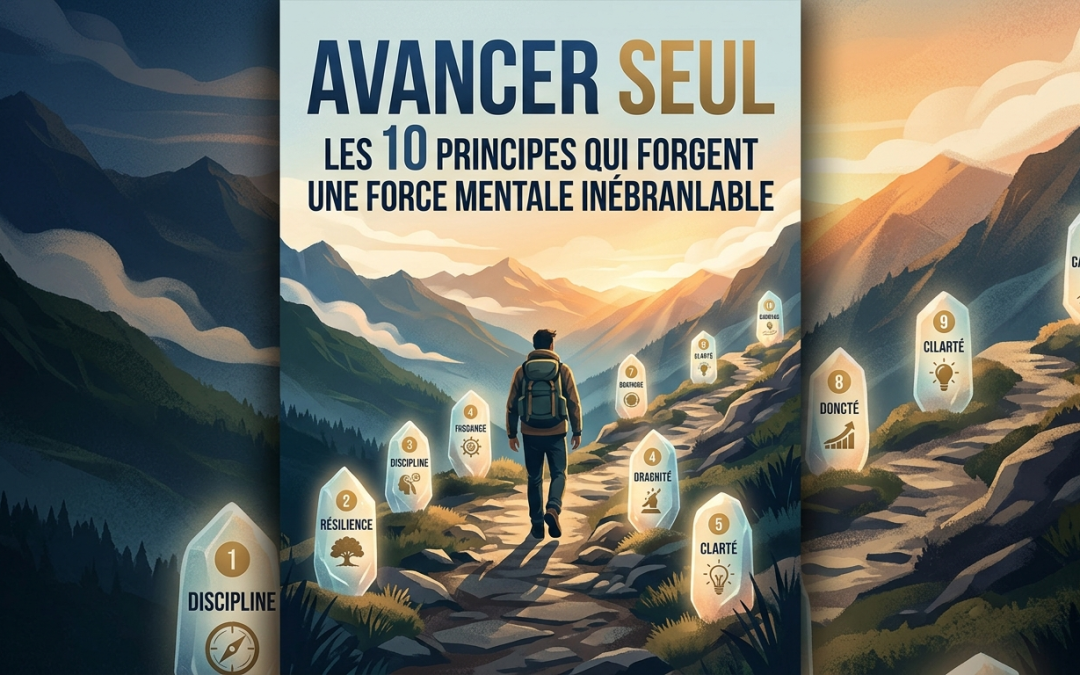
Avancer seul : les 10 principes qui forgent une force mentale inébranlable
Beaucoup pensent que pour avancer, ils ont besoin d’une main pour les relever, d’une épaule pour les soutenir ou d’un groupe pour les pousser. Ils croient que sans appui extérieur, ils ne peuvent faire un pas solide. Cette idée, loin de les aider, les enchaîne. Lorsque votre force dépend des autres, votre chemin n’est jamais stable.
J’ai appris que les plus grands bonds dans la vie arrivent quand vous décidez d’avancer seul. Pas par orgueil, mais parce que vous comprenez que votre évolution ne peut plus dépendre de personne. C’est là que vous découvrez votre vraie force. La solitude vous enseigne la concentration, la discipline et la résilience . Vous n’avez pas besoin de compagnie pour continuer, mais de détermination. Quand vous agissez depuis cette conviction intérieure, le monde cesse d’être un obstacle et devient le décor de votre transformation.
Accepter que Personne Ne Viendra Vous Sauver
La première chose que j’ai dû accepter est dure à avaler : personne ne viendra me sauver. Peu importe l’affection qu’on vous porte ou les promesses de soutien, il y a des combats que vous devez mener seul. Il y a des nuits sombres où ni le meilleur conseil ni l’étreinte la plus sincère ne suffisent. Il y a des douleurs à traverser seul, des décisions que vous seul pouvez prendre, des pas que personne ne fera à votre place .
Plus tôt vous l’acceptez, plus vite vous arrêtez d’attendre et commencez à vous relever. Pendant des années, j’ai cru qu’un jour quelqu’un reconnaîtrait mes efforts ou me relèverait. Cette illusion me gardait faible. Jusqu’au jour où, au milieu d’un choc brutal, j’ai vu clairement que j’étais seul. Soit je faisais le prochain pas, soit je restais englouti. Ce fut mon vrai réveil, venu avec la douleur, le silence et une détermination inconnue.
Le vrai caractère ne se forme pas dans la compagnie, il se trempe dans la solitude. Cette solitude, qui faisait peur au départ, est devenue une maîtresse. Elle m’a obligé à me regarder en face, à me demander ce que je voulais vraiment. J’ai appris à faire confiance à mon jugement, à mon intuition, à ma capacité à me reconstruire sans témoin. Quand vous n’avez personne pour vous soutenir, vous apprenez à marcher droit, car il n’y a pas d’autre choix.
Arrêter de Mendier du Soutien Émotionnel
Le deuxième principe est d’arrêter de crier pour obtenir du soutien émotionnel. Plus votre avancée dépend du regard des autres, de leurs encouragements, plus votre chemin sera fragile. Quand ce besoin devient une condition, vous donnez votre pouvoir. Personne n’est obligé de vous motiver ou de vous porter. Chacun porte ses propres combats.
Moi, je l’ai vécu. Je racontais mes rêves en attendant de l’enthousiasme, je partageais mes échecs en espérant du réconfort. Et quand je ne recevais pas ce que je voulais, je me frustrais. Ce n’était pas de l’abandon, c’était la réalité. Le jour où j’ai lâché la tentative d’être compris, j’ai senti une légèreté. Mes pas ont cessé de dépendre des réactions extérieures. Le plus grand soutien naît à l’intérieur, dans le respect que vous vous donnez quand vous tenez parole.
Arrêter de mendier du soutien ne signifie pas se fermer aux liens profonds. Cela signifie ne plus avancer en espérant être sauvé. Vous avancez parce que vous vous complétez vous-même. Un homme qui prend en charge ses émotions cesse d’exiger et commence à offrir. Il ne supplie plus, il se tient debout.
Se Défaire de la Plainte
Le troisième principe a été d’arrêter de me plaindre. Se plaindre paraît inoffensif, mais c’est l’une des habitudes les plus destructrices. Chaque fois que vous vous plaignez, vous dites à votre esprit que vous n’avez pas de pouvoir, que l’extérieur décide plus que votre volonté . La plainte est le langage de ceux qui ont renoncé à construire.
Je suis resté piégé là-dedans pendant des années. Mais jamais une plainte ne m’a aidé à avancer. Elle me plaçait en victime, me faisait attendre des solutions. Le pire, c’est qu’elle me poussait vers le cynisme. Un jour, je me suis demandé : « Quelle part de ce qui me fait souffrir, je la maintiens moi-même en ne faisant pas ce que je dois faire ? » La réponse m’a libéré.
J’ai décidé de devenir quelqu’un qui agit, pas qui se lamente. J’ai remplacé le « pourquoi moi » par « qu’est-ce que je peux faire avec ça ? ». Ce que je voyais comme des murs est devenu des chemins. La vie ne donne rien à celui qui se plaint, mais elle ouvre des portes à celui qui insiste, qui se relève, qui transforme le peu qu’il a en progression.
Construire sa Propre Discipline
Le quatrième principe a été d’apprendre à construire ma propre discipline quand personne ne me poussait. Il est facile de tenir quand quelqu’un vous surveille. Mais quand vous êtes seul, quand il ne se passe rien si vous échouez, c’est là que l’on découvre vraiment de quoi vous êtes fait. La vraie croissance se produit dans l’intimité, dans ces moments où vous seul savez si vous avez tenu parole.
Tant que j’avais des cadres extérieurs, c’était facile. Mais dès qu’ils disparaissaient, ma discipline s’effondrait. Chaque promesse non tenue en secret affaiblissait quelque chose en moi. J’ai compris que je devais devenir ma propre autorité. Quand cette conscience s’installe, vous n’agissez plus pour satisfaire les autres, mais pour ne pas vous trahir . Votre parole devient un pacte. Cette discipline est libératrice car vous ne dépendez plus des circonstances, seulement de votre décision.
Devenir Sa Propre Source de Validation
Le cinquième principe a été d’apprendre à être ma propre source de validation. Tant que votre force dépend de ce que les autres pensent, vous restez fragile. La validation extérieure est instable. J’ai passé des années à attendre un signe qui me dirait que j’allais dans la bonne direction. Quand il venait, je me sentais invincible. Sinon, je doutais .
Une nuit, je me suis demandé si j’avais vraiment besoin que quelqu’un approuve la vie que je construisais. Ce fut le point de bascule. J’ai commencé à entraîner une nouvelle habitude : chaque jour, me regarder avec honnêteté. Si j’avais été cohérent, c’était suffisant. Ce changement m’a donné une force inconnue. Quand votre standard intérieur pèse plus lourd que les opinions extérieures, vous devenez solide. Vous ne cherchez plus à être vu, mais à être en paix avec vous-même.
Se Relever Vite Après Chaque Chute
Le sixième principe a été d’apprendre à me relever vite à chaque chute. Peu importe votre discipline, vous allez trébucher. Le vrai caractère se révèle dans ce que vous faites après l’erreur. Pendant longtemps, je me punissais quand je tombais. Une journée ratée devenait une semaine de reproche. Cette culpabilité faisait plus de dégâts que l’erreur.
Un jour, j’ai compris que chaque minute passée à me lamenter est une minute que je ne passe pas à réparer. Le vrai guerrier n’est pas celui qui ne tombe jamais, mais celui qui se relève sans drame, qui corrige vite et continue. J’ai appris à me pardonner sans me relâcher. J’ai fait de ce principe une règle : relève-toi vite, fais immédiatement quelque chose qui te reconnecte à ta discipline. Plus vous agissez vite, moins la culpabilité a de place. La différence entre l’homme ordinaire et l’exceptionnel ne réside pas dans le nombre de chutes, mais dans la vitesse à laquelle il se relève .
Agir Sans Dépendre de la Motivation
Le septième principe a été d’apprendre à agir même quand je n’en avais pas envie. Si votre discipline dépend de vos émotions, vos émotions décident de votre vie. Et les émotions sont instables. Pendant longtemps, je me cachais derrière des excuses subtiles. Un jour, j’ai accepté une vérité libératrice : si vous n’agissez que quand vous vous sentez bien, vous n’accomplirez rien de grand .
J’ai fait un pacte : avancer même fatigué, travailler même quand ma tête criait d’arrêter. Au début, c’était dur. Mais avec le temps, cette répétition est devenue une source de confiance. À chaque fois que j’agissais sans envie, je me prouvais que je n’étais plus esclave de mes impulsions. Aujourd’hui, je ne me demande plus si j’ai la motivation, mais si j’ai une parole. La discipline reste quand tout s’écroule.
Rester dans l’Inconfort
Le huitième principe a été d’apprendre à rester dans l’inconfort sans chercher de sortie rapide. C’est là, dans cette zone que tout le monde fuit, que la vraie transformation a lieu. On vit dans une culture qui idolâtre le confort. La vérité, c’est que rien de solide ne se construit dans le confort. Tout ce qui a de la valeur naît dans l’inconfort.
J’ai fui pendant des années, repoussant les tâches lourdes, abandonnant les routines. Un jour, j’ai décidé de rester dans l’effort, dans la douleur, sans fuir. L’inconfort n’était pas mon ennemi, mais mon professeur. Celui qui apprend à rester dans l’inconfort développe une solidité qu’aucun obstacle ne peut briser. Chaque fois que j’en sortais, je me sentais plus maître de moi-même. Mon seuil de tolérance a changé. Si ça fait mal, c’est que ça compte. L’inconfort est la porte vers votre version la plus forte .
Accepter de Ne Pas Être Compris
Le neuvième principe a été d’accepter que je n’ai pas besoin que les autres me comprennent. Sur le chemin de la construction de soi, vous serez critiqué, jugé, mal compris. Si vous ne savez pas vivre avec ça, vous finirez par baisser vos standards. Pendant des années, j’ai essayé de me justifier, de convaincre que mes efforts avaient du sens. Un jour, j’ai compris que ce qui blessait, c’était mon besoin d’être approuvé.
J’ai arrêté de demander la permission. J’ai appris à dire non sans me justifier, à tenir ma discipline en silence. Ma paix ne dépend plus de la compréhension des autres, mais de ma cohérence intérieure. Si ma conscience est en paix, je n’ai besoin de l’approbation de personne. Je n’essaie plus de convaincre ceux qui ne veulent pas voir. Quand vous n’avez plus besoin d’être compris, vous libérez une force qui vous permet d’avancer sans bruit .
Tout ce dont Vous Avez Besoin est Déjà en Vous
Le dixième principe, peut-être le plus puissant, est de comprendre que tout ce dont vous avez besoin est déjà en vous. Pas à l’extérieur, pas dans l’aide de quelqu’un d’autre, mais dans votre décision de vous tenir debout quand il ne reste plus rien. Ma vie a changé le jour où j’ai arrêté d’attendre que l’extérieur s’aligne pour avancer. J’ai compris que si je veux quelque chose, je dois le construire.
Cette vérité est profondément libératrice. Pendant que certains attendent des miracles, j’ai décidé d’en devenir un. Quand vous comprenez que vous êtes votre propre soutien, la solitude cesse d’être une menace. Vous ne dépendez plus, vous choisissez. Vous ne rêvez plus, vous exécutez. Avancer seul n’est pas une punition, c’est un privilège. C’est l’occasion de découvrir qui vous êtes vraiment quand il ne reste que votre parole. C’est là que se forge une force que personne ne peut enlever .
par onchop.co.uk | Juin 3, 2026 | Motivation for success
Le Guide Pratique pour Dompter l’Argent et Libérer votre Avenir
L’argent est l’outil le plus présent et probablement l’un des plus puissants que nous utilisons au quotidien. Pourtant, une question fondamentale se pose : le maîtrisez-vous, ou est-ce lui qui vous maîtrise ? S’il est correctement appréhendé, l’argent s’avère un magnifique serviteur. En revanche, si vous l’ignorez, il devient un maître impitoyable.
Malheureusement, notre société de consommation et notre système scolaire omettent de nous enseigner son fonctionnement. Nous sommes constamment bombardés d’incitations à la dépense et conditionnés à croire que l’investissement financier est un art complexe, réservé à une élite d’initiés. C’est une illusion. En vérité, parmi toutes les choses matérielles que l’argent permet d’acquérir, il en est une dont la valeur dépasse infiniment toutes les autres : la liberté. C’est le cœur même de l’ouvrage de référence de JL Collins, « Les chemins simples vers la richesse », popularisé en francophonie par des passeurs de savoir comme Mathieu Ventour de Mind Parachutes. Ce guide démontre que la route vers la fortune et l’autonomie n’a pas besoin d’être sinueuse. Simple ne veut pas dire facile, mais les concepts à appliquer sont à la portée de tous.
Pourquoi la liberté financière est le seul objectif qui vaille le coup
La plupart des gens associent la richesse à l’accumulation de biens de consommation : voitures de luxe, villas, objets technologiques de pointe. Or, cette vision de l’opulence est le piège absolu qui vous maintient enchaîné à un travail parfois insatisfaisant. La véritable richesse ne se mesure pas à ce que vous dépensez, mais à la liberté de choix que votre patrimoine vous procure.
Avoir le contrôle de son temps, pouvoir refuser une mission professionnelle abusive, choisir de s’arrêter pour élever ses enfants ou entamer une reconversion sans crainte du lendemain : voilà ce qu’achète un argent intelligemment placé. Lorsque vous comprenez que chaque flux financier économisé représente une brique de votre future liberté, votre rapport à la consommation change radicalement. L’argent cesse d’être une monnaie d’échange pour des objets éphémères et devient le carburant de votre émancipation.
Les quatre piliers fondamentaux d’une gestion financière saine
Pour s’enrichir, la formule magique n’existe pas. Il s’agit plutôt de respecter avec une discipline de fer quatre grands principes directeurs, d’une simplicité désarmante :
Dépenser moins que ce que l’on gagne : C’est le point de départ incontournable. Sans excédent budgétaire, aucun mécanisme d’enrichissement ne peut s’enclencher.
Éviter absolument les dettes de consommation : Les crédits à la consommation sont des siphons à richesse. Ils détruisent votre capacité future d’investissement en vous obligeant à payer des intérêts prohibitifs.
Investir massivement le surplus : Épargner sur un compte courant ne suffit pas, car l’inflation ronge le pouvoir d’achat de vos liquidités. L’argent doit être injecté dans des actifs productifs.
Maintenir la simplicité : Plus votre stratégie est épurée, moins vous commettez d’erreurs émotionnelles et moins vous payez de frais aux intermédiaires.
La vitesse à laquelle vous atteindrez l’indépendance financière dépend directement d’un indicateur clé : votre taux d’investissement. Plus le pourcentage de vos revenus alloué à l’investissement est élevé, plus vite les barreaux de la cage professionnelle s’écarteront. JL Collins suggère un taux d’investissement ambitieux de 50 %. Si cela peut sembler vertigineux au premier abord, ce seuil devient atteignable dès lors que l’on supprime totalement ses dettes et que l’on adopte un mode de vie frugal mais épanouissant. Chaque choix de vie majeur a un impact financier sous-jacent ; le comprendre permet d’orienter sa trajectoire vers la sérénité.
Le marché des actions : le vecteur d’enrichissement le plus puissant de l’histoire
Lorsqu’il s’agit de choisir un véhicule pour faire fructifier son capital, le marché des actions surclasse historiquement toutes les autres classes d’actifs (immobilier, obligations, matières premières) sur le long terme. Prenons un exemple concret et incontestable : l’indice américain S&P 500, qui regroupe les 500 plus grandes entreprises des États-Unis. Depuis sa création moderne en 1957 et jusqu’en janvier 2025, cet indice affiche une rentabilité annuelle moyenne de 10,3 %, à la condition expresse que les dividendes soient systématiquement réinvestis.
Pourquoi une telle performance ? Parce que les actions ne sont pas de simples lignes de code virtuelles ou des tickets de loterie. Derrière chaque action cotée en bourse, il y a des entreprises réelles, des infrastructures, des brevets, et surtout des milliers de salariés et de dirigeants qui unissent leurs forces au quotidien pour améliorer leurs produits, optimiser leurs services et accroître leur rentabilité. De plus, le marché boursier opère une forme de sélection naturelle : les entreprises défaillantes font faillite ou sortent des indices, tandis que les plus résilientes et performantes progressent et tirent la moyenne générale vers le haut. Investir en bourse, c’est tout simplement détenir une part de la croissance économique mondiale.
L’illusion de la gestion active : pourquoi les professionnels échouent
L’erreur la plus fréquente chez les investisseurs débutants consiste à vouloir « battre le marché ». On s’imagine qu’il faut analyser les graphiques pendant des heures, identifier la prochaine start-up technologique révolutionnaire ou anticiper le moment exact où les marchés vont baisser pour revendre, puis racheter au plus bas. JL Collins est catégorique : cette approche, appelée le market timing ou le stock picking, est une illusion dangereuse. Même les professionnels de Wall Street n’y parviennent pas de manière constante.
Les statistiques à ce sujet sont impitoyables. Une étude majeure de 2013 a révélé que sur une période d’investissement de 15 ans, seulement 18 % des fonds d’investissement gérés activement par des professionnels de la finance parvenaient à faire mieux qu’un simple indice boursier de référence. Cela signifie que 82 % de ces experts surdiplômés ont échoué face à une gestion automatisée. Sur des horizons de temps encore plus longs, le taux d’échec frôle les 86 %. Les raisons de cette contre-performance systématique sont doubles : d’une part, l’impossibilité de prédire l’avenir économique de manière répétée, et d’autre part, les frais de gestion exorbitants prélevés par ces fonds d’investissement actifs, qui viennent amputer la performance finale de l’épargnant.
La révolution de la gestion passive : les avantages des fonds indiciels et ETF
Puisqu’il est mathématiquement improbable de battre le marché, la stratégie la plus intelligente et la plus rentable consiste tout simplement à l’imiter. C’est ici qu’interviennent les fonds indiciels passifs et les ETF (Exchange Traded Funds). Ces produits financiers se contentent de répliquer mécaniquement l’évolution d’un indice boursier de référence, tel que le CAC 40 en France ou le S&P 500 aux États-Unis.
Leur nature passive élimine le besoin de payer des gestionnaires de fonds aux salaires mirobolants. En conséquence, les frais de gestion des ETF sont souvent 5 à 10 fois inférieurs à ceux des fonds actifs. Moins de frais signifie plus d’intérêts composés qui travaillent pour vous. Pour les investisseurs résidant en dehors des États-Unis, JL Collins et les experts financiers recommandent l’utilisation d’un fonds indiciel global (World ou All-World). Ce type de support vous permet, en un seul clic, d’exposer votre capital à l’ensemble des marchés mondiaux, vous offrant une diversification instantanée et maximale à moindres frais.
Phase d’accumulation vs Phase de préservation : deux stratégies pour une vie
La trajectoire vers l’indépendance financière se découpe en deux périodes distinctes, caractérisées par des objectifs patrimoniaux opposés : la phase d’accumulation de richesse et la phase de préservation de richesse. Si l’on a tendance à calquer la première sur la vie active et la seconde sur l’âge de la retraite, la réalité est beaucoup plus fluide. Au cours d’une existence moderne, un individu peut naviguer de l’une à l’autre à la suite d’un choix personnel (année sabbatique, création d’entreprise) ou d’un aléa de la vie (licenciement, problème de santé). Bien que les principes fondamentaux restent inchangés, l’allocation de votre portefeuille doit s’adapter à ces transitions.
Réussir sa phase d’accumulation : maximiser la croissance de son patrimoine
Durant la phase d’accumulation, votre objectif central est de bâtir et de gonfler votre capital le plus rapidement possible. Vos revenus proviennent principalement de votre activité professionnelle ou de la création d’un projet parallèle (un side business, excellent accélérateur de revenus). Pour traverser cette phase à la vitesse de l’éclair, trois leviers majeurs doivent être activés simultanément :
Le remboursement des dettes : Éliminer les dettes à taux d’intérêt élevé est votre priorité absolue. C’est l’ancre qui retient votre navire financier.
L’optimisation du taux d’investissement : Réduisez vos dépenses superflues pour maximiser l’écart entre vos revenus et vos sorties d’argent. C’est cet excédent qui va alimenter votre machine à cash.
Le choix du bon véhicule de croissance : L’auteur conseille de placer 100 % de votre épargne disponible (une fois constitué un matelas de sécurité pour les imprévus du quotidien) dans un fonds indiciel global d’actions.
Pour optimiser l’aspect fiscal de ces placements en France, il est fortement recommandé de privilégier des enveloppes fiscales avantageuses comme le Plan d’Épargne en Actions (PEA), l’Assurance-Vie ou encore les Plans d’Épargne Entreprise (PEE), ces derniers offrant l’avantage non négligeable de bénéficier des abondements financiers de votre employeur.
Dompter la volatilité et garder la tête froide pendant les tempêtes boursières
Si la stratégie d’investir 100 % de son épargne en actions est la plus performante à long terme, pourquoi n’est-elle pas adoptée par tout le monde ? La réponse tient en un mot : les émotions. Le chemin de la bourse n’est pas un long fleuve tranquille. Les phases d’euphorie alternent inévitablement avec des krachs et des crises systémiques majeures. L’histoire financière est jalonnée de secousses mémorables : les chocs pétroliers des années 1970, l’éclatement de la bulle internet en 2000, la crise des subprimes en 2008, la panique liée à la pandémie de Covid-19 en 2020, ou encore la Grande Dépression de 1929.
Voir son capital durement accumulé chuter de 20 %, 30 % ou 40 % en l’espace de quelques semaines provoque une terreur viscérale chez la plupart des individus. C’est là que le piège se referme : céder à la panique et vendre ses titres au plus bas pour « limiter la casse » est la pire erreur possible. C’est à ce moment précis que la perte, jusqu’alors virtuelle, devient réelle et définitive. Pour réussir, il faut impérativement intégrer une vérité statistique indiscutable : après chaque crise, aussi profonde soit-elle, et même après deux guerres mondiales, les marchés financiers ont toujours fini par se redresser et par battre de nouveaux records historiques. Parfois, la convalescence prend quelques mois, parfois plus d’une décennie. Garder son sang-froid et continuer à investir régulièrement pendant la tempête est le secret des investisseurs fortunés.
La phase de préservation : l’art de sécuriser ses acquis et vivre de ses rentes
Lorsque votre patrimoine est devenu suffisamment conséquent pour couvrir votre train de vie sans que vous ayez besoin de travailler, vous entrez officiellement dans la phase de préservation. Ici, le paradigme change du tout au tout. Votre but principal n’est plus la recherche de la rentabilité maximale, mais la stabilité, la régularité des revenus et la sérénité psychologique. Vous devez protéger votre capital contre les baisses brutales tout en continuant à le faire travailler pour contrer les effets de l’inflation.
C’est le moment idéal pour ajuster votre allocation d’actifs. Pour atténuer la volatilité inhérente aux actions, JL Collins préconise d’introduire une part d’obligations dans votre portefeuille. Selon votre sensibilité personnelle au risque, les obligations peuvent représenter entre 10 % et 25 % de vos avoirs totaux (par exemple, une allocation classique de 75 % d’actions et 25 % d’obligations). Les obligations agissent comme un amortisseur émotionnel : lorsque les actions s’effondrent, la relative stabilité des obligations stabilise la valeur globale de votre portefeuille, vous évitant de paniquer. Tout comme pour les actions, inutile de chercher à sélectionner des obligations individuelles. Un simple fonds indiciel obligataire global ou européen, de préférence libellé en euros pour écarter le risque de change lié aux devises, fera parfaitement l’affaire. Votre portefeuille total se résume ainsi à seulement deux produits financiers, une configuration extrêmement simple à piloter au quotidien.
L’application de la règle des 4 % pour ne jamais épuiser son capital
Comment savoir si l’on est techniquement libre et que l’on peut cesser de travailler ? Les théoriciens du mouvement FIRE (Financial Independence, Retire Early) et JL Collins s’appuient sur une règle empirique reconnue mondialement : la règle des 4 %. Issue d’une étude financière approfondie (la Trinity Study), cette règle stipule que si vous retirez chaque année un montant équivalent à 4 % de votre capital initial (ajusté chaque année au taux de l’inflation), votre patrimoine présente une probabilité extrêmement élevée de survivre et de ne jamais s’épuiser sur une période d’au moins 30 ans.
En pratique, des taux de retrait de 6 % ou 7 % pourraient fonctionner dans de nombreux scénarios économiques favorables, mais la limite prudente des 4 % a été retenue pour maximiser votre sécurité et votre tranquillité d’esprit, même en cas de cycle boursier très défavorable en début de retraite. Pour appliquer cette règle à l’envers, il suffit de multiplier le montant de vos dépenses annuelles par 25. Si vous estimez avoir besoin de 30 000 euros par an pour vivre confortablement, votre objectif de capital est de 750 000 euros. Une fois ce montant atteint, vous êtes financièrement indépendant. Si cette cible chiffrée peut sembler intimidante au départ, n’oubliez pas que l’effort s’atténue avec le temps grâce à la magie des intérêts composés. Au bout de quelques années, ce ne sont plus vos économies personnelles qui font grossir votre patrimoine, mais ce sont vos investissements eux-mêmes qui s’auto-génèrent et se démultiplient.
Conclusion : Simplifiez votre stratégie dès aujourd’hui pour libérer votre avenir
Atteindre l’indépendance financière n’est pas une question de génie mathématique, de chance ou d’accès à des cercles d’initiés confidentiels. C’est le résultat d’une série de choix rationnels, d’une discipline de consommation constante et de l’adoption d’une stratégie d’investissement dépouillée de toute complexité inutile. En appliquant la philosophie du chemin simple vers la richesse de JL Collins, vous refusez de vous noyer dans la masse d’options opaques et coûteuses proposées par l’industrie financière traditionnelle. Vous reprenez le contrôle direct de votre destin.
La théorie est désormais entre vos mains, mais la théorie sans action ne mène à rien. Quelle est la première action concrète que vous pouvez poser dès cette semaine pour assainir vos finances et simplifier votre approche de l’argent ? Pouvez-vous automatiser un virement mensuel vers un PEA pour acheter un fonds indiciel mondial ? Pouvez-vous couper une dépense récurrente inutile pour faire grimper votre taux d’investissement ? Si vous souhaitez accélérer drastiquement votre processus d’accumulation de richesse et booster votre capacité d’épargne, la création d’une activité parallèle ou d’un side business reste l’un des leviers les plus puissants du XXIe siècle. Évaluez vos forces, déterminez votre profil entrepreneurial, et lancez-vous sans attendre sur le chemin de la liberté. Votre futur vous en remerciera.
Indépendance financière Cliquez ici
par onchop.co.uk | Mai 10, 2026 | Motivation for success
Comment une Heure par Jour … Et si je vous disais que votre vie entière peut basculer en 60 minutes ? Pas en un an, pas après une formation à 10 000 €, ni quand vous aurez enfin trouvé « la bonne opportunité ». Non, en 60 minutes. Une heure par jour.
Vous lisez peut-être ces lignes avec scepticisme. Vous vous dites que c’est trop simple, que si c’était aussi facile, tout le monde réussirait. Vous avez raison sur un point : tout le monde ne le fait pas. Et c’est précisément pour cela que tout le monde ne réussit pas. La plupart des gens subissent leur journée dès le réveil, otages de leur téléphone et des sollicitations extérieures. Ils sont passagers de leur propre existence.
Reprendre le contrôle commence par une décision simple : voler une heure au monde avant qu’il ne vienne frapper à votre porte. Voici les principes fondamentaux pour transformer cette heure en un levier de réussite massive.
1. Reprenez le contrôle de votre première heure
La façon dont vous commencez votre journée détermine la façon dont vous vivez votre vie. Ce n’est pas une image, c’est une mécanique neurologique. Au réveil, votre cerveau est malléable. Si vous attrapez votre téléphone pour scroller les réseaux sociaux ou lire vos mails, vous laissez le monde extérieur programmer votre esprit avec du stress, des comparaisons et du bruit.
Les plus grands entrepreneurs sont stratégiques : ils sont souvent injoignables avant 9h ou 10h du matin. Ces premières heures sont leur carburant. Avant de parler à qui que ce soit, prenez 30 minutes pour vous. Lisez, écrivez vos gratitudes, bougez ou planifiez. Ne commencez pas votre journée pour les autres, commencez-la pour vous.
2. Protégez votre temps comme un trésor sacré
Le temps, contrairement à l’argent, est une ressource non renouvelable. Si vous perdez 100 €, vous pouvez les regagner. Si vous perdez une heure, elle disparaît à jamais. Les gens essaieront de vous voler ce temps avec de « petites phrases » qui semblent anodines : « Tu as deux minutes ? ».
Apprenez à dire non, fermement et sans culpabilité. Bloquez ce créneau dans votre agenda. Une heure planifiée vaut dix fois plus qu’une heure improvisée. Si une activité ne vous fait pas grandir, elle n’a pas sa place dans votre « heure sacrée ».
3. La direction doit toujours précéder l’action
L’action sans direction est la recette parfaite pour l’épuisement. Vous pouvez courir des heures sur un tapis de course : vous transpirerez, mais vous n’irez nulle part. Pour que l’effort porte ses fruits, il doit être orienté.
Comme le disait Jim Rohn : « Les raisons viennent en premier, les réponses en deuxième ». Avant d’agir, demandez-vous : Où vais-je ? Quelle compétence suis-je en train de bâtir ? Quelle action aujourd’hui me rapproche de mes objectifs dans un an ? La clarté transforme une heure ordinaire en une mission puissante.
4. L’auto-éducation : la clé de la fortune
L’éducation formelle vous permet de gagner votre vie, mais l’auto-éducation vous permet de bâtir une fortune. Les diplômes ouvrent des portes, mais ce que vous apprenez par vous-même, de manière intentionnelle, est ce qui vous distinguera réellement sur le marché.
Consacrer une heure par jour à lire des livres de business, de psychologie ou de leadership, c’est nourrir vos racines. À terme, ces idées vous donneront le courage d’agir et de créer des opportunités que les autres ne voient même pas.
5. Transformez la théorie en pratique immédiate
La connaissance non appliquée n’est que du divertissement déguisé en productivité. Le véritable apprentissage se situe dans l’inconfort de l’exécution. Si vous apprenez l’art oratoire mais ne prenez jamais la parole, vous ne savez rien.
Dans votre heure quotidienne, réservez au moins 20 minutes pour pratiquer. Écrivez, vendez, créez, codez. La répétition est la mère de toutes les compétences. Ne visez pas la perfection, visez la répétition. Les professionnels ne sont pas nés avec un don ; ils ont simplement pratiqué des milliers de fois là où les autres ont abandonné.
6. Pratiquez la réflexion pour affiner votre trajectoire
Ceux qui progressent le plus vite sont ceux qui prennent le temps de regarder en arrière. À la fin de votre heure, prenez 5 minutes pour évaluer : Qu’ai-je appris ? Qu’est-ce qui a été difficile ? Que ferai-je différemment demain ?
Un avion dévie constamment de sa trajectoire, mais il corrige son cap en permanence pour arriver à destination. Votre vie a besoin de ces micro-ajustements. L’expérience évaluée est bien plus puissante que l’expérience simplement vécue.
7. Votre corps est le fondement de votre réussite
Vous pouvez avoir les meilleures idées du monde, si votre corps lâche, tout s’arrête. Prenez soin de votre corps, c’est le seul endroit où vous êtes obligé de vivre. L’énergie physique est le socle de l’énergie mentale et créative.
Une heure de mouvement (marche, musculation, yoga) ne vous coûte pas une heure de productivité : elle vous en redonne deux par l’amélioration de votre concentration et de votre humeur. Le mouvement est un multiplicateur de performance.
8. Construisez votre avenir dans l’heure silencieuse
La plupart des gens rentrent le soir et « éteignent » leur cerveau devant une série. C’est ici que se joue la différence. L’heure où le monde se repose est celle où vous pouvez construire ce qui vous appartient vraiment.
Que ce soit un projet de business, une nouvelle compétence ou un plan financier, 5 heures par semaine représentent 260 heures par an. Imaginez ce que vous pourriez accomplir avec 260 heures de travail focalisé sur un projet personnel. Les fondations se construisent dans le silence et la régularité.
9. N’oubliez pas les relations humaines
Le succès solitaire n’a pas de saveur. La plus grande fortune réside dans les liens profonds que vous tissez. Consacrez du temps de qualité — sans téléphone, sans distractions — aux personnes qui comptent.
La présence totale est une denrée rare aujourd’hui. Être vraiment là pour écouter et partager renforce la confiance et l’amour. Ces connexions seront votre plus grand soutien lors des tempêtes inévitables de la vie.
10. Empilez les heures pour bâtir votre nouvelle identité
Chaque heure consacrée à votre croissance est une brique. Seule, elle semble insignifiante. Mais empilée jour après jour, elle finit par former un édifice inébranlable. La constance transforme l’effort en identité.
Vous ne changez pas seulement vos habitudes, vous changez qui vous êtes. Vous passez du statut de celui qui « essaie » à celui qui « réussit ». Ne laissez jamais un jour raté devenir une semaine ratée. Revenez toujours à votre discipline.
Conclusion : Le voyage commence par une décision
Le changement ne vient pas quand vous savez quoi faire, mais quand vous faites ce que vous savez. Le moment idéal n’existe pas. Vous n’avez pas besoin d’être inspiré pour commencer, vous avez besoin de commencer pour être inspiré.
Dès demain, avant de toucher votre téléphone, prenez 10 minutes pour vous. Puis 20, puis 60. Dans un an, vous ne reconnaîtrez plus la personne que vous êtes aujourd’hui. La vie que vous voulez est de l’autre côté de votre discipline. Une heure, une décision, un nouveau « vous ». Le voyage commence maintenant.
The Power of 60 Minutes: How One Hour a Day Can Radically Transform Your Destiny
What if I told you that your entire life could change in just 60 minutes? Not in a year, not after a €10,000 seminar, and not when you finally find « the right opportunity. » No—in 60 minutes. One hour a day.
You might be reading this with skepticism. You might think it sounds too simple, or that if it were that easy, everyone would be successful by now. You are right about one thing: not everyone does it. And that is exactly why not everyone succeeds. Most people endure their day from the moment they wake up, held hostage by their phones and external demands. They are merely passengers in their own lives.
Reclaiming control starts with a simple decision: steal one hour from the world before it comes knocking at your door. Here are the fundamental principles to turn that hour into a lever for massive success.
1. Reclaim Control of Your First Hour
How you start your day determines how you live your life. This isn’t just a metaphor; it’s a neurological mechanism. Upon waking, your brain is in a highly malleable state. If you reach for your phone to scroll through social media or read emails, you are letting the outside world program your mind with stress, comparison, and noise.
The most successful entrepreneurs are strategic: many are unreachable before 9:00 AM or 10:00 AM. These early hours are their fuel. Before speaking to anyone, take 30 minutes for yourself. Read, write down what you are grateful for, move your body, or plan your day. Don’t start your day for others; start it for yourself.
2. Protect Your Time Like a Sacred Treasure
Unlike money, time is a non-renewable resource. If you lose €100, you can earn it back. If you lose an hour, it is gone forever. People will try to steal this time with « small phrases » that seem harmless: « Do you have two minutes? ».
Learn to say no, firmly and without guilt. Block this slot in your calendar. One planned hour is worth ten times more than one improvised hour. If an activity doesn’t make you grow, it has no place in your « sacred hour ».
3. Direction Must Always Precede Action
Action without direction is a recipe for burnout. You can run for hours on a treadmill: you will sweat, but you won’t get anywhere. For effort to bear fruit, it must be oriented.
As Jim Rohn used to say: « Reasons come first, answers come second ». Before acting, ask yourself: Where am I going? What skill am I building? Which action today brings me closer to where I want to be in a year?. Clarity transforms an ordinary hour into a powerful mission.
4. Self-Education: The Key to Fortune
Formal education will make you a living, but self-education will make you a fortune. Degrees open doors, but what you learn on your own, intentionally, is what will truly set you apart in the market.
Spending an hour a day reading books on business, psychology, or leadership is like nourishing your roots. Over time, these ideas will give you the courage to act and create opportunities that others cannot even see.
5. Transform Theory into Immediate Practice
Unapplied knowledge is merely entertainment disguised as productivity. Real learning happens in the discomfort of execution. If you learn about public speaking but never actually speak, you know nothing.
In your daily hour, reserve at least 20 minutes for practice. Write, sell, create, or code. Repetition is the mother of all skills. Don’t aim for perfection; aim for repetition. Professionals weren’t born with a gift; they simply practiced thousands of times where others gave up.
6. Practice Reflection to Refine Your Trajectory
Those who progress the fastest are those who take the time to look back. At the end of your hour, take 5 minutes to evaluate: What did I learn? What was difficult? What will I do differently tomorrow?.
An airplane constantly deviates from its path but adjusts its course continuously to reach its destination. Your life needs these micro-adjustments. Evaluated experience is far more powerful than merely lived experience.
7. Your Body is the Foundation of Your Success
You can have the best ideas in the world, but if your body fails, everything stops. Take care of your body; it is the only place you have to live. Physical energy is the foundation of mental and creative energy.
One hour of movement (walking, weightlifting, yoga) doesn’t cost you an hour of productivity: it gives you two back by improving your focus and mood. Movement is a performance multiplier.
8. Build Your Future in the Silent Hour
Most people come home in the evening and « turn off » their brains in front of a TV show. This is where the difference is made. The hour when the world rests is the hour when you can build what truly belongs to you.
Whether it’s a business project, a new skill, or a financial plan, 5 hours a week adds up to 260 hours a year. Imagine what you could accomplish with 260 hours of focused work on a personal project. Foundations are built in silence and consistency.
9. Don’t Forget Human Relationships
Solitary success has no flavor. The greatest fortune lies in the deep bonds you forge. Dedicate quality time—without phones or distractions—to the people who matter.
Total presence is a rare commodity today. Being truly there to listen and share strengthens trust and love. These connections will be your greatest support during the inevitable storms of life.
10. Stack the Hours to Build Your New Identity
Every hour dedicated to your growth is a brick. Alone, it seems insignificant. But stacked day after day, it eventually forms an unshakable edifice. Consistency transforms effort into identity.
You aren’t just changing your habits; you are changing who you are. You move from being someone who « tries » to someone who « succeeds ». Never let a missed day become a missed week. Always return to your discipline.
Conclusion: The Journey Begins with a Decision
Change doesn’t come when you know what to do; it comes when you do what you know. The ideal moment does not exist. You don’t need to be inspired to start; you need to start to be inspired.
Starting tomorrow, before touching your phone, take 10 minutes for yourself. Then 20, then 60. In a year, you won’t recognize the person you are today. The life you want is on the other side of your discipline. One hour, one decision, a new « you. » The journey starts now.
par onchop.co.uk | Déc 3, 2025 | Onchop24TV
The Hidden Dimension of Success . For years, society has taught us that success is built on strategy, discipline, intelligence, and perseverance. And yes—it’s partly true.
But there is a deeper, more powerful dimension that most people ignore: faith.
Not religion.
Not tradition.
Not rituals.
Faith—as a personal, intimate, living connection with God.
This article explores why this connection changes everything: your emotional stability, your decision-making, your resilience, your clarity, and ultimately… your success.
What Most People Think About Success (And Why They’re Wrong)
We’re conditioned to believe that success comes only from the visible world:
– Working hard
– Calculating risks
– Studying the right strategies
– Surrounding yourself with the right people
But studies in neuroscience show that your inner world—your beliefs, your sense of purpose, your emotional state—directly shapes your external results.
Stress, fear, doubt, and emotional instability destroy more dreams than lack of intelligence or lack of opportunity.
And the truth is simple:
Without inner peace, you can’t build anything stable.
Without clarity, you can’t make the right decisions.
Without hope, you can’t move forward.
This is where faith becomes a superpower.
Religion vs. Faith: Understanding the Real Difference
Before going further, let’s clarify a core concept:
Religion is a system. Faith is a relationship.
Religion teaches rules.
Faith transforms your heart.
Religion is external.
Faith is internal.
Religion makes you act out of obligation.
Faith makes you act out of trust.
You don’t need to be perfect. You don’t need to check every box. You don’t need to “qualify” for God’s presence.
Faith is the experience of walking with God daily—through peace, intuition, guidance, and honesty.
And that experience is accessible to everyone.
Why Faith Changes Your Brain: What Neuroscience Reveals
Modern neuroscience has discovered something extraordinary:
People who pray regularly show measurable improvements in their brain function.
Studies reveal:
Why?
Because prayer rewires the brain’s neural circuits linked to fear, stress, clarity, and emotional stability.
Prayer cultivates:
– calmness
– groundedness
– perspective
– hope
– intuition
– reduced mental noise
And when your brain is calmer and clearer…
you make better decisions.
You attract better opportunities.
You avoid destructive choices.
You protect your peace.
Faith makes you mentally stronger—biologically, not symbolically.
Faith Makes You Less Alone (And More Capable)
One of the heaviest burdens in life is the feeling of carrying everything alone:
– Your financial pressure
– Your emotional struggles
– Your failures
– Your doubts
– Your responsibilities
– Your fears about the future
Faith does not eliminate challenges…
but it removes the loneliness inside the challenge.
When you pray, when you speak honestly to God, you no longer fight with your own limited strength.
You shift from:
“I must succeed on my own”
to
“I am guided, supported, and strengthened.”
This shift changes everything.
Because a person who feels supported becomes:
– braver
– calmer
– more strategic
– more resilient
– more hopeful
– less impulsive
Your emotional stability becomes a foundation instead of a weakness.
The Unexpected Way God Answers Your Prayers
One of the most profound spiritual truths is this:
God always answers. But not always the way you expected.
Sometimes the answer is yes.
Sometimes the answer is no.
Sometimes the answer is “not now.”
Sometimes the answer is protection.
Sometimes the answer is redirection.
Looking back, you often realize that the “no” you received… saved you.
The delay you hated… prepared you.
The door that closed… protected you from something you didn’t see.
The relationship that ended… freed you.
When you walk with faith, you understand something essential:
God doesn’t give you what you want.
He gives you what you need to grow.
And once you accept this, your heart becomes lighter.
You stop forcing things.
You stop chasing what isn’t meant for you.
You stop fearing the future.
You trust.
How Faith Sharpens Your Intuition
One of the most underrated effects of faith is how it improves your intuition.
When you pray, meditate, or speak to God regularly, you develop a stronger ability to sense what is:
– right
– wrong
– aligned
– dangerous
– wise
– or meant for you
You feel when a decision isn’t right, even if it looks logical.
You feel when a person isn’t trustworthy, even if they appear perfect.
You feel when a path is yours, even if it feels scary.
This intuition is not magic.
It is a spiritual intelligence activated through faith and silence.
Faith gives you access to information your mind cannot analyze logically.
Why People of Faith Succeed More Often
This may surprise you, but studies demonstrate that individuals with strong spiritual practices experience:
Higher life satisfaction
Better emotional stability
More discipline
Greater resilience
A deeper sense of purpose
Higher long-term success rates
Why?
Because when you believe your life has meaning,
when you believe you’re guided,
when you believe nothing happens by accident…
You stay committed.
You stay patient.
You stay hopeful.
You stay strong through adversity.
Faith doesn’t remove the storm.
It gives you the stability to walk through it without collapsing.
How to Build a Real Relationship With God (Not Religion)
You don’t need to know every prayer.
You don’t need to be perfect.
You don’t need to change your life overnight.
Start simple:
1. One honest prayer per day
Not a recited text.
A conversation.
Speak to God like you speak to a friend.
2. One minute of silence daily
Just breathe.
Let your mind slow down.
Let your heart open.
3. Express gratitude for three things
This reprograms your emotional state.
4. Ask for guidance, not results
Instead of “give me this,” try:
“Guide me toward what is right.”
5. Trust the timing
Faith is useless if you panic every time life becomes uncertain.
With these five simple steps, your spiritual connection strengthens rapidly.
How Faith Transforms Your Life in Practical Terms
Here is what changes when you develop real faith:
✔ You worry less
Because you trust that you’re guided.
✔ You make clearer decisions
Because fear is no longer controlling you.
✔ You attract better opportunities
Because your energy becomes stable and confident.
✔ You forgive more easily
Because your soul no longer holds resentment.
✔ You become emotionally unstoppable
Because your strength doesn’t come from you—it comes from God.
✔ You act with purpose
And anything done with purpose multiplies.
You Are Not Meant to Carry Everything Alone
If there is one message you should take away from this article, it’s this:
You were never meant to do life alone.
Your burdens, your fears, your dreams, your uncertainties—
they were never meant to be carried only on your shoulders.
God is not waiting for you to be perfect.
He’s waiting for you to speak to Him.
He doesn’t want you to perform.
He wants you to trust.
He doesn’t want your rituals.
He wants your heart.
And once you walk with Him, the doors meant to open… open.
Not by force.
But by alignment.
Conclusion: Are You Ready to Take the First Step?
Faith is not about escaping reality.
It’s about facing reality with supernatural strength.
It’s about walking with clarity, peace, direction, and confidence.
Nothing will ever replace:
– the peace of knowing you’re guided
– the strength of knowing you’re supported
– the clarity of knowing you’re not alone
So I leave you with one simple question:
Are you ready to stop carrying everything alone… and let God guide your steps?
Your transformation starts today.
One minute of faith is enough to change everything.